Skeleton Fish: A Designer’s Review for Small Business Merch
As an embroidery designer who has spent years digitizing files and consulting with small business owners, I approach every new machine embroidery design with a critical eye. It is not enough for a motif to simply look cute on a screen; it must perform under the needle, withstand industrial washing, and elevate the brand identity of the client using it. Recently, I reviewed the Skeleton Fish design, a piece marketed as a wonderful embellishment for restaurant workers, chefs, and fishing enthusiasts. Here is my professional assessment of how this asset translates from a digital embroidery file into tangible value for your commercial projects.
First Impressions: Balancing Whimsy and Professionalism
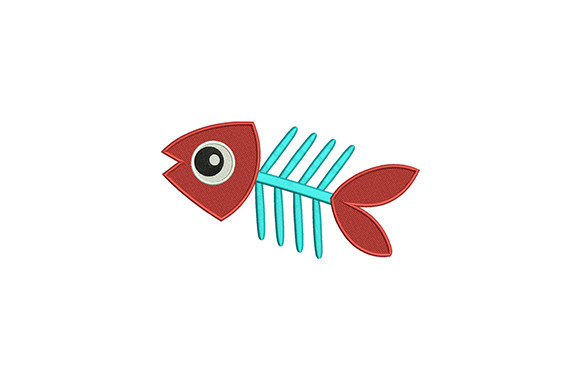
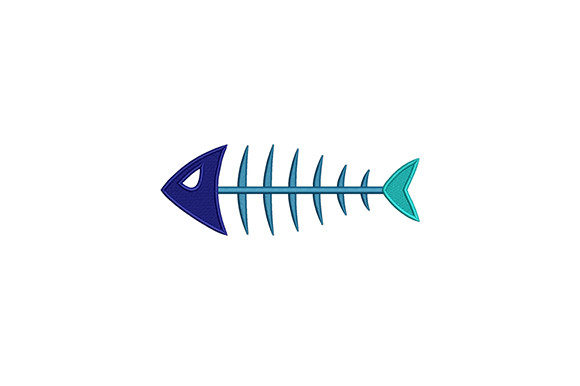
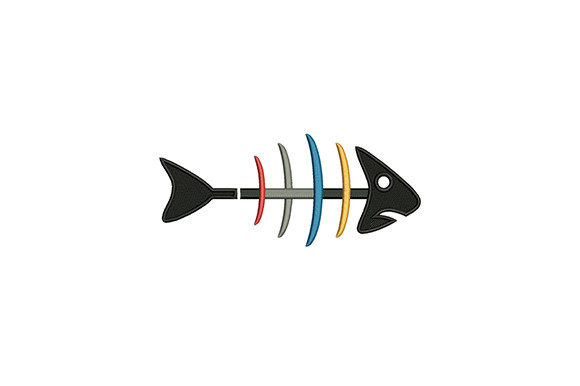
The immediate visual impact of Skeleton Fish is playful yet structured. In the world of branded merchandise, there is a fine line between looking amateurish and looking intentionally handmade. This design leans into a rustic, friendly aesthetic that feels authentic rather than mass-produced. For a boutique bakery, a local seafood shack, or an independent pet brand, this personality is gold. It does not scream corporate rigidity; instead, it invites connection. However, for high-end luxury brands, the whimsical nature might feel too casual. The key is matching the design’s tone to your specific audience. If your brand voice is approachable, community-focused, or artisanal, this fish motif aligns perfectly with that narrative.
Strategic Applications for Small Business Merch
When considering where to place Skeleton Fish, we must look beyond the standard t-shirt. The versatility of this design allows it to function across various custom apparel and accessory categories. Here is how I envision it working in real-world scenarios:
- Staff Uniforms and Aprons: For restaurant workers and chefs, an embroidered apron serves as both protection and branding. Placing this design on the chest pocket area of a denim or canvas apron creates a subtle badge of pride. It signals passion for cooking or fishing without overwhelming the uniform.
- Embroidered Patches: This is perhaps the strongest use case. Creating a run of iron-on or sew-on patches allows businesses to update old inventory or create limited-edition drops. A patch can be applied to tote bags, jackets, or even packaging, extending the life of the finished product.
- Cap Embroidery: Front-panel cap embroidery requires clean lines and moderate detail. If the Skeleton Fish design maintains clarity at a smaller scale, it makes an excellent logo accent for staff hats, enhancing team cohesion and customer recognition.
- Tote Bag Design: Canvas tote bags are staples for eco-conscious brands. Centering this fish motif on a natural cotton bag transforms a simple carrier into a walking advertisement. The contrast of thread against raw fabric highlights the texture of the handmade product.
Technical Considerations for Production Quality
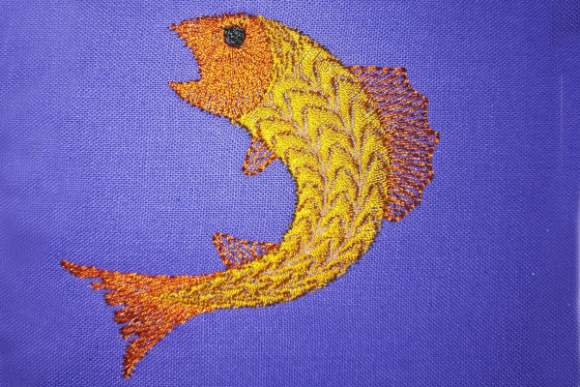
Before running a large batch of commercial embroidery, you must address technical variables. The description notes that this is a machine embroidery design, but it does not specify exact stitch counts or density. As a designer, I advise caution here. High stitch density can cause puckering on lightweight fabrics like poly-blend work shirts. Conversely, low density might leave gaps on textured materials like terrycloth towels or heavy canvas.
I recommend testing Skeleton Fish on the actual fabric you intend to use. If you are embroidering on dark uniforms, ensure the thread colors provide sufficient contrast. A white or light grey thread on navy blue works well, but subtle pastels may get lost. Always use the appropriate stabilizer—cut-away for stretchy fabrics and tear-away for stable wovens—to prevent distortion during washing. Additionally, verify the recommended hoop size before purchasing. If the design is large, it may require a 5x7 or larger hoop, which limits its placement on smaller items like baby onesies or narrow hat brims.
Enhancing Brand Identity and Customer Trust
Why does a simple fish matter? Because consistency builds trust. When customers see the same Skeleton Fish motif on your website, your packaging, and your staff’s attire, it reinforces brand recognition. It tells a story of attention to detail. In the era of fast fashion, a well-executed embroidered patch or custom apron signals that you value quality. This perceived value allows small businesses to justify higher price points. Customers are not just buying a meal or a product; they are buying into an experience curated by people who care about their craft.
Furthermore, using unique design assets like this helps differentiate your small business merch from competitors who rely on generic clipart. It adds a layer of exclusivity. When you offer these items as employee gifts or customer loyalty rewards, you deepen engagement. The tactile nature of embroidery creates an emotional connection that printed graphics rarely achieve.
Practical Designer Notes for Implementation
To ensure success with this project, follow these steps before full production:
- Create a Printable Mockup: Use digital tools to visualize Skeleton Fish on different garments. This helps clients approve the placement and scale before you thread the machine.
- Test in Black and White: Remove color variables to check if the design’s shape holds up. If the details blur in monochrome, they will likely blur in color too, especially at small sizes.
- Check Commercial Licensing: The product description mentions it is suitable for staff and passionate individuals, but always confirm the license terms for the digital embroidery file. Ensure you have the right to sell finished goods containing this design if that is your business model.
- Compare with Existing Assets: Place this design next to your current logo or other design assets. Does it clash stylistically? Or does it complement your existing visual language?
- Inspect Spacing and Outlines: Zoom in on the digitized file. Look for tight turns or overlapping stitches that could cause thread breaks. Clean up any unnecessary jump stitches to speed up production time.
Final Verdict on Skeleton Fish
The Skeleton Fish embroidery design offers significant potential for businesses in the culinary, outdoor, and creative sectors. Its charm lies in its ability to humanize a brand, making it feel accessible and passionate. However, its success depends entirely on execution. By paying close attention to fabric texture, stabilizer choice, and placement strategy, you can transform this simple motif into a powerful tool for brand building. Whether used on a chef’s apron or a customer’s tote bag, it serves as a reminder that even small details contribute to a professional, cohesive brand identity. Always prioritize quality control, verify your file specifications, and let the craftsmanship speak for itself.