Review: Jumping Fish with Abstract Scales
As an embroidery designer who spends hours digitizing and testing files for commercial use, I have learned that not every machine embroidery design is created equal. Some are visually stunning on screen but fail under the needle, while others offer a perfect balance of aesthetic appeal and technical reliability. Recently, I explored the Jumping Fish with Abstract Scales available on Creative Fabrica, looking for fresh assets to elevate my upcoming handmade product line. This review breaks down my experience evaluating this file for real-world application, from initial impression to final stitch-out.
First Impressions and Visual Mood
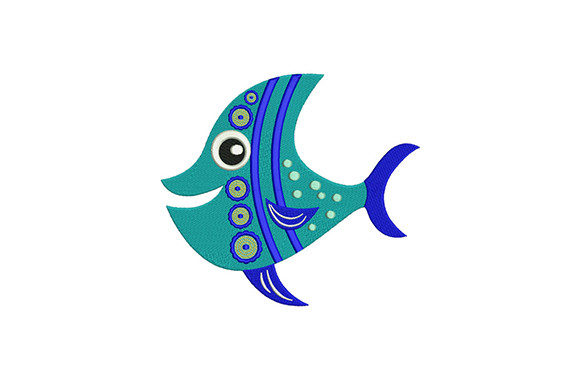
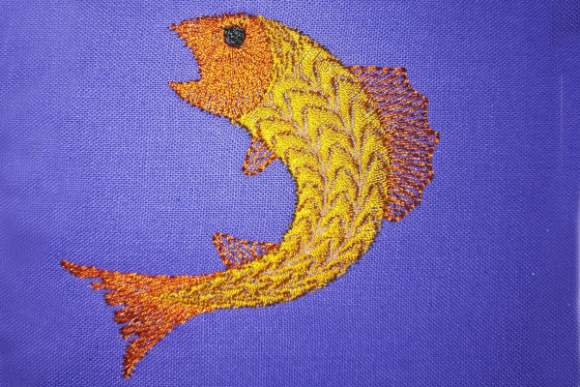
The moment I opened the preview for Jumping Fish with Abstract Scales, I was struck by its modern, artistic interpretation of marine life. Unlike traditional realistic fish designs that rely heavily on complex shading and tiny details, this piece uses abstract geometry to define the scales. This stylistic choice is crucial for embroidery because it translates well into thread. The design feels dynamic and fluid, capturing the motion of a leaping fish without becoming cluttered.
For designers, the visual mood here is versatile. It fits seamlessly into contemporary home decor, modern nursery themes, or even upscale casual apparel. The abstraction allows the viewer’s eye to fill in the gaps, which often results in a cleaner finished look compared to hyper-realistic designs that can appear muddy if the stitch count is too high or the thread tension is slightly off.
Performance in Real Embroidery Projects
When considering a new embroidery file, I always ask myself where it will perform best. Jumping Fish with Abstract Scales shines in several specific categories. For custom apparel, this design works beautifully on sweatshirt embroidery projects. The bold lines of the abstract scales stand out against fleece or cotton blends, making it a statement piece rather than a subtle accent.
I also see significant potential for this design in home goods. Imagine this motif stitched onto a heavy canvas tote bag design. The structural integrity of the fish shape holds up well on sturdy fabrics, providing a durable and stylish accessory for beach lovers or eco-conscious shoppers. Similarly, as an embroidered patch, this design could be applied to denim jackets or backpacks, adding a unique, artisanal touch that mass-produced patches lack.
For those running a small business or Etsy shop, versatility is key. This design can easily transition into kitchen towels or aprons, appealing to customers who love coastal or nature-inspired themes. The abstract nature means it doesn’t feel overly childish, broadening its appeal to adult buyers looking for sophisticated handmade gifts.
Technical Considerations for Stitching
While the design is aesthetically pleasing, practical execution requires attention to detail. One of the first things I check is stitch density. Abstract designs can sometimes vary between open running stitch areas and dense fill stitch sections. Before committing to a final product, it is essential to test the file on scrap fabric similar to your intended material. This helps you identify any potential puckering or pulling, especially if the design has large solid areas.
Fabric choice plays a massive role in the outcome. For stretchy fabrics like jersey knits used in t-shirts, using the correct stabilizer is non-negotiable. A cut-away stabilizer might be necessary to support the weight of the thread and prevent distortion over time, especially if the item will undergo frequent washing. On the other hand, for woven fabrics like linen or cotton twill used in pillow covers or tote bags, a tear-away stabilizer may suffice, provided the stitch density is not excessive.
Another critical factor is hoop size. While the product description notes that the file comes in multiple formats, you must confirm the specific dimensions fit your machine’s capabilities. If you are working with smaller hoops, ensure the design scales down without losing the definition of the abstract scales. Tiny details can get lost if the design is reduced too much, turning intricate geometric patterns into indistinct blobs of thread.
Color Choices and Thread Contrast
The beauty of Jumping Fish with Abstract Scales lies in its adaptability to different color palettes. Because the scales are abstract, you are not bound to realistic blues and greens. You can experiment with vibrant, contrasting thread colors to create a pop-art effect, or stick to monochromatic tones for a subtle, textured look. When stitching on dark fabric, consider using lighter thread colors to ensure the design remains visible. Conversely, metallic threads can add a luxurious shimmer to the scales, enhancing the decorative appeal for boutique merchandise.
Always review your thread color contrast before starting. A poor choice can flatten the design, making the abstract elements hard to distinguish. Creating printable mockups with different color combinations can help you visualize the final result and make informed decisions before wasting thread and time.
Commercial Viability and Brand Consistency
For creative entrepreneurs, the value of a design extends beyond its look. It must enhance brand consistency and buyer trust. Jumping Fish with Abstract Scales offers a professional finish that can elevate the perceived value of your handmade product. Whether you are selling personalized gifts or seasonal items, a clean, well-executed embroidery design signals quality to the customer.
Using high-quality Creative Fabrica embroidery assets like this one can streamline your production process. Instead of spending hours digitizing from scratch, you can focus on marketing and customer engagement. However, always verify the license terms on the product page. Understanding whether you can use the design for commercial embroidery products is vital for legal compliance and peace of mind.
Final Verdict
In conclusion, Jumping Fish with Abstract Scales is a strong contender for designers looking to add a modern, nature-inspired element to their portfolio. Its abstract approach minimizes some of the technical pitfalls associated with realistic detailing, making it accessible for various skill levels. By paying attention to stabilizer choice, fabric type, and thread contrast, you can produce stunning results on everything from caps to baby blankets.
Remember to always check the specific file details and hoop sizes provided in the download package. Test on scraps, inspect small details after stitching, and ensure the design aligns with your brand’s aesthetic. With careful execution, this design can become a staple in your collection of digital embroidery file assets, driving sales and delighting customers with its unique charm.