Reviewing Pink and Red Porcupine for Real Projects
As a designer who spends half my life digitizing and the other half staring at a hoop, I have learned that not every cute concept translates into a clean stitch-out. When I first pulled up the Pink and Red Porcupine file on my screen, my initial reaction was cautious optimism. The color palette is bold, and the subject matter fits squarely into the popular Woodland Animals trend that has dominated nursery decor and boutique apparel for years. But does it hold up under the needle? I decided to put this design through its paces to see if it deserves a spot in my active project folder or if it belongs in the archive.
First Impressions and Visual Personality
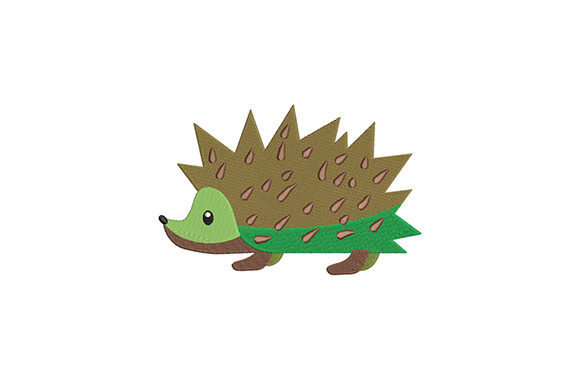
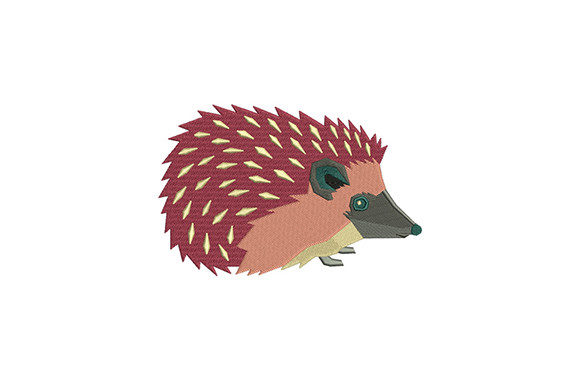
The immediate mood of this design is playful and whimsical. Unlike realistic wildlife embroidery, which often relies on subtle shading and complex layering, this porcupine leans into a graphic, illustrative style. The use of pink and red creates a warm, inviting aesthetic that feels less like a nature documentary and more like a storybook character. For an embroidery project aimed at children or those who appreciate quirky, modern folk art, this visual personality is a strong asset.
The layout appears balanced, with the quills providing natural texture without looking overly chaotic. In digital design assets, clutter is the enemy of clarity. Here, the separation between the body and the quills seems distinct enough to prevent thread breaks or nesting issues, provided the stitch density is managed correctly. It feels like a design that wants to be seen, making it ideal for items where the embroidery is the focal point rather than a subtle accent.
Real-World Application: The Tote Bag Test
To evaluate practical performance, I imagined this design on a canvas tote bag. This is a staple product for any Etsy seller or craft business owner. Canvas provides a stable, woven surface that handles higher stitch counts well. The Pink and Red Porcupine would pop beautifully against a natural beige or white canvas. The red tones offer high contrast, ensuring the image remains readable from a distance.
I also considered it for sweatshirt embroidery. On a heather grey or soft pink fleece, the design adds a touch of personality without being too juvenile. However, when moving to stretchy fabrics like jersey knits for custom apparel, caution is required. The fill areas in the porcupine’s body need to be dense enough to cover the fabric but not so tight that they cause puckering. A proper cut-away stabilizer would be non-negotiable here to maintain the shape of the quills after washing.
Navigating Fabric and Hoop Constraints
One of the most critical aspects of reviewing a machine embroidery design is understanding where it might fail. While this design is adorable, its suitability depends heavily on the substrate. For baby embroidery, such as onesies or burp cloths, you must ensure the thread colors are colorfast and the stitches are not too raised, which could irritate sensitive skin. Testing on scrap fabric is essential before committing to a final personalized gift.
Curved surfaces present another challenge. If you plan to use this on a cap, the rigid front panel is your best bet. Attempting to stitch this on the curved side of a baseball hat could distort the porcupine’s shape, making it look stretched or uneven. Similarly, for an embroidered patch, the design needs a clean border. If the file includes a satin stitch border, it will frame the porcupine nicely; if not, you may need to add one digitally to prevent fraying edges on the patch backing.
Dark fabrics require special attention. The pink and red hues are vibrant, but on black or navy blue, they might lose some definition if the underlay is not sufficient. I recommend running a test on dark cotton to check if the background fabric shows through the lighter pink areas. Adjusting the thread colors slightly or adding a white underlay can solve this, but it requires foresight.
Commercial Viability and Brand Consistency
For small shop product lines, consistency is key. Does Pink and Red Porcupine fit your brand? If your shop specializes in rustic, earth-toned woodland themes, the bright pink might feel out of place unless you are aiming for a "pop" collection. However, for brands focusing on modern, colorful, and gender-neutral kids' items, this design is a winner. It stands out in printable mockup previews because of its unique color choice, which can drive higher click-through rates on platforms like Etsy.
From a buyer engagement perspective, unique colorways help differentiate your finished product from competitors using standard brown or grey porcupine designs. It signals creativity and attention to detail. When customers see a well-executed, colorful animal design, it builds trust in your stitching quality. It suggests that you are not just churning out generic files but curating distinctive digital embroidery file selections for your audience.
Technical Notes for the Serious Stitcher
Before launching into production, there are several technical checks to perform. First, verify the hoop size requirements. Ensure the design fits comfortably within your machine’s maximum area with room for stabilization. Second, inspect the stitch types. Look for a mix of fill stitch for the body and satin stitch or running stitch for finer details like the eyes or nose. This variety adds depth and prevents the design from looking flat.
If you are new to working with this specific file, start with a medium-weight woven cotton. Avoid highly textured fabrics like terry cloth for the first run, as the small details of the quills might get lost in the pile. Also, confirm the licensing terms. While many files allow for commercial use on physical items, selling the applique design or the digital file itself is usually prohibited. Always read the license included with your purchase to protect your commercial embroidery business.
Finally, consider the washing durability. Items like tote bag design prototypes or holiday embroidery gifts will be handled frequently. Use high-quality polyester threads that resist fading and breaking. A final press with a clapper can help flatten any high stitches, giving your handmade product a professional, store-bought finish.
Final Verdict
The Pink and Red Porcupine is a charming addition to the Woodland Animals category, offering a fresh take on a classic motif. It performs best on stable, light-to-medium weight fabrics where its vibrant colors can shine. With proper stabilizer and thoughtful placement, it elevates simple items like tote bags and sweatshirts into standout pieces. For designers and makers willing to test and tweak, this design offers both aesthetic appeal and commercial potential.