Porcupine Embroidery: A Designer’s Craft Fair Review
As an embroidery designer who has spent countless weekends behind a booth table, I know that the difference between a browser and a buyer often comes down to visual impact and perceived quality. When I first loaded the Porcupine machine embroidery design into my software, my immediate reaction was one of relief mixed with excitement. In the saturated market of Woodland Animals, it is easy to find designs that are either too complex for quick production or too generic to stand out. This design, however, strikes a delicate balance. It feels rustic yet refined, offering a "cute" factor that appeals to gift buyers without sacrificing the professional finish required for a premium handmade product.
First Impressions and Visual Appeal
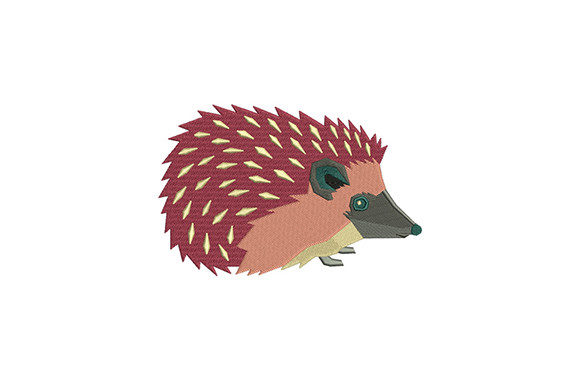
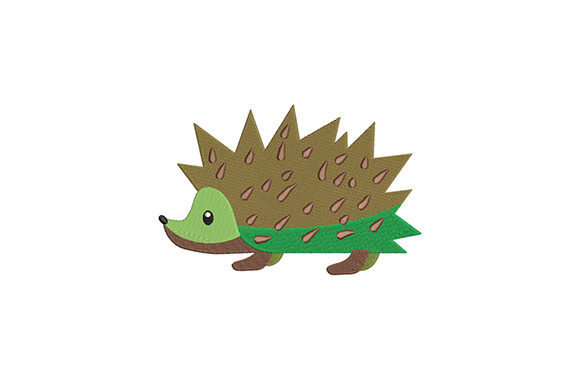
The title Porcupine suggests a specific niche, but the execution determines its versatility. Upon reviewing the stitch path, I noticed that this design avoids the common pitfall of excessive density. For a craft fair environment, where customers view items from a few feet away before picking them up, clarity is king. This design reads well from a distance. The silhouette is distinct, and the texture implied by the stitching mimics the quills without becoming a tangled mess of thread. It feels modern enough for a contemporary boutique but retains enough charm for a farmhouse-style kitchen display.
For Etsy sellers and digital creators, the visual appeal translates directly to click-through rates. A design that photographs well is half the battle won. Because this porcupine has clean lines and defined shapes, it creates sharp shadows and highlights in product photography, making it ideal for creating high-converting printable mockup images for your online store listings.
Strategic Product Placement for Maximum Sales
Not every design works on every item. Part of my review process involves mentally placing the design on various blanks to see where it shines. Here is how I envision using this machine embroidery design in a real-world production cycle:
- Tote Bags and Market Bags: This is arguably the strongest application. A centered tote bag design featuring this porcupine on natural canvas creates an instant bestseller. The neutral background allows the thread colors to pop, and the size of the animal fits perfectly within standard hoop limitations.
- Tea Towels and Aprons: For tea towel embroidery, placement is critical. I recommend positioning the porcupine in the lower corner or along the hem. On an apron embroidery project, placing it on the bib or the pocket adds a whimsical touch that appeals to home cooks who love nature-themed decor.
- Embroidered Patches: If you have the capability to create cut-work or merrowed edges, this design makes an excellent embroidered patch. Patches are low-cost, high-margin craft fair products that allow customers to buy into your brand without committing to a larger item.
- Caps and Beanies: While possible, curved surfaces require caution. Ensure the design is not too wide, or it will distort around the front panel of a cap.
Production Practicality and Batch Efficiency
When preparing for a busy market season, time is money. A design that takes forty-five minutes to stitch is rarely viable for high-volume small shop products. While I cannot specify the exact stitch count from the description alone, the phrase "stitch out beautifully" suggests a optimized path. I advise checking the digital embroidery file details for total stitch count and estimated run time. If it stays under 15,000 stitches, it is highly suitable for batch production of items like pillow covers or fabric pouches.
Consistency is another major factor. This design appears repeatable, meaning you can hoop multiple layers of stabilizer and fabric to stitch several items in one go, provided your machine supports it. This efficiency lowers the cost per unit, increasing your profit margin on each finished product.
Technical Considerations and Careful-Use Notes
Even the best designs have limitations. As a professional, I must point out areas where you need to exercise caution to maintain quality control.
- Fabric Texture: The description mentions it works on "any fabric," but textured towels can swallow small details. If the porcupine has fine facial features, test on terry cloth first. You may need to adjust the stitch density or use a water-soluble topping to prevent sinking.
- Dark Fabrics: If you plan to stitch this on navy or black garments, ensure you use high-quality rayon or polyester threads with good coverage. Poor thread choice on dark fabric texture can make the design look sparse.
- Stabilizer Selection: Do not skimp on stabilization. For stretchy fabrics like those used in tote bags or apparel, a cut-away stabilizer is often safer than tear-away to prevent distortion after washing.
- Hoop Size: Always confirm the hoop size compatibility before purchasing. Ensure the design fits comfortably within your smallest hoop if you plan to make small accessories like coin purses.
Enhancing Brand Consistency and Buyer Engagement
Using a cohesive theme like Woodland Animals helps build a recognizable brand identity. When customers see the Porcupine design alongside other matching creatures, they are more likely to purchase multiple items. This design serves as a strong anchor for a collection. It invites engagement because it is approachable; people smile when they see it. That emotional connection is what drives impulse buys at craft fairs.
Furthermore, for those selling commercial embroidery services, having a library of reliable, cute animal designs allows you to offer customization options quickly. You can pair this porcupine with monograms or names, adding significant value to the design assets you offer clients.
Final Designer Verdict
Before you launch this into your shop, follow these final steps: test the design on scrap fabric identical to your final product, check thread contrast against your chosen material, and inspect the stitch density in your software. Verify the commercial licensing terms included with the embroidery file to ensure you are compliant when selling physical goods.
In summary, the Porcupine design is a versatile, market-ready asset. It balances aesthetic charm with production practicality, making it an excellent choice for embroidery business owners looking to expand their woodland-themed inventory. Whether used on a rugged tote or a delicate handkerchief, it promises to stitch out beautifully, helping your handmade items stand out in a crowded marketplace.