Review: Smiling Bunny Running Line for Easter Projects
As a designer who has spent countless hours staring at stitch maps and troubleshooting thread breaks, I approach every new machine embroidery design with a mix of curiosity and caution. We all know that what looks perfect on a digital screen does not always translate seamlessly to fabric. Recently, I had the chance to evaluate the Smiling Bunny Running Line, a design marketed toward Easter projects and children’s apparel. My goal was not just to admire its cuteness, but to determine if it holds up under the scrutiny of real-world production for my craft business and client orders.
First Impressions and Visual Personality
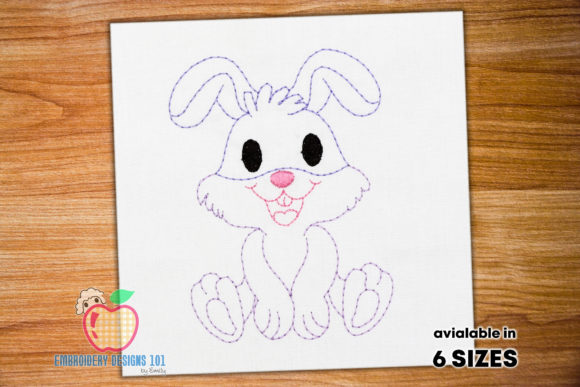
The first thing that strikes you about the Smiling Bunny Running Line is its simplicity. In a market saturated with overly complex, dense designs that eat up thread and time, this piece feels refreshingly light. The mood it creates is playful and approachable, relying on clean lines rather than heavy shading. For an embroidery project intended for spring, this lightness is a significant asset. It does not overwhelm the garment; instead, it acts as a charming accent.
The layout suggests a focus on movement. The "running" aspect implies a dynamic pose, which can be tricky in embroidery if the proportions are off. However, this design balances the limbs and head in a way that maintains structural integrity. The visual personality is soft, making it an ideal candidate for items where comfort and aesthetics must coexist, such as baby clothes or casual wear.
Real-World Application: The Tote Bag Test
To truly understand the value of a digital embroidery file, I believe in testing it on a tangible product. I decided to use the Smiling Bunny Running Line on a canvas tote bag, a staple item for many Etsy sellers and boutique owners during the spring season. Canvas provides a stable base, allowing the stitches to sit cleanly without puckering.
The result was delightful. Because the design utilizes a running line style, it avoided the stiffness that often plagues larger fill stitch areas on thick fabrics. The bunny appeared crisp and modern. For a small shop product, this kind of clarity is crucial. Customers browsing online need to see distinct shapes in photos, and this design delivers high contrast even from a distance. It transformed a plain beige bag into a seasonal handmade product that felt curated rather than mass-produced.
Versatility Across Product Lines
Beyond tote bags, I evaluated how this design would perform on other common items in my inventory. For sweatshirt embroidery, the design works well on the chest pocket area or sleeve. Its moderate size ensures it does not distort the knit fabric, a common issue with heavier designs. When considering baby embroidery, such as on onesies or pajamas, the lack of dense satin stitching is a major benefit. It reduces the risk of irritation against sensitive skin, making the finished product more comfortable for infants.
I also considered its use for embroidered patch creation. The clean outlines make it easy to cut around, whether you are using a hot-cut machine or scissors. This versatility makes it a valuable asset for designers who want to maximize the utility of a single purchase.
Technical Considerations and Stitch Behavior
While the aesthetic is strong, a professional reviewer must look at the technical execution. The term "Running Line" suggests a reliance on running stitch elements. These are excellent for detail but require precise tension settings on your machine. If your tension is too loose, the lines may look sloppy; too tight, and the fabric may pucker.
One critical factor is stitch density. Since this design appears lighter, it likely has lower density than traditional cartoon styles. This is generally positive for speed and thread consumption, but it means the underlying fabric color will show through more. When choosing thread colors, ensure there is enough contrast between the thread and the fabric. A white bunny on a cream shirt might get lost, whereas a pastel blue on white would pop beautifully.
For those using this as an applique design, check if the file includes placement and tack-down stitches. If it is purely a line-art design, you may need to add your own stabilizer strategies to prevent shifting during the stitching process.
Where to Use Caution
No design is universal, and the Smiling Bunny Running Line has its limitations. I would advise caution when using it on highly textured fabrics like terry cloth or thick fleece. The fine lines of a running stitch can get lost in the pile, reducing the design's clarity. Similarly, on stretchy fabrics like jersey knits, proper stabilization is non-negotiable. Without a cut-away or high-quality tear-away stabilizer, the movement of the fabric could distort the bunny’s shape.
Additionally, consider the hoop size constraints. While the design is likely small to medium, always verify the dimensions before starting. If you are working on curved surfaces like caps, ensure the design fits within the usable area of your cap frame to avoid hitting seams or buckram.
Commercial Value and Brand Consistency
For commercial embroidery professionals and craft business owners, the appeal of this design lies in its broad marketability. It fits neatly into the holiday embroidery niche without being so specific that it cannot be used year-round for nursery decor or children’s brands. Using consistent, high-quality design assets like this helps build trust with buyers. When a customer sees a clean, well-stitched design, they perceive higher value in the personalized gift or custom item.
From a branding perspective, this design supports a minimalist, modern aesthetic. It allows the quality of your craftsmanship to shine because the design itself is not hiding behind excessive complexity. This can lead to better buyer engagement on platforms like Etsy, where clear, attractive images drive clicks.
Practical Designer Notes
Before committing to a large batch of production, follow these practical steps:
- Test on scrap fabric: Always stitch out the design on the same material you plan to use for the final product to check for puckering or thread breaks.
- Check thread contrast: View your design in black and white on your computer screen to ensure the lines remain visible without color cues.
- Verify licensing: Confirm whether the embroidery file allows for commercial use if you intend to sell the finished product. Never assume; always read the terms provided by the creator.
- Inspect small details: Zoom in on the digitizing software if available, or examine the test stitch closely to ensure there are no unnecessary jumps or loose threads.
- Consider fabric texture: Remember that smooth cottons will showcase the running lines best, while textured fabrics may require slight adjustments in thread weight.
In conclusion, the Smiling Bunny Running Line is a solid addition to any spring-themed library. It balances charm with technical practicality, making it suitable for a wide range of applications from custom apparel to home decor. By understanding its strengths and limitations, you can leverage this design to create high-quality, appealing products that resonate with customers.