Review: Woodpecker Pecking Lineart Design for Real Projects
As a designer who has spent years digitizing and testing machine embroidery design files, I have learned that the difference between a good graphic and a great stitched product lies in the details. When I first pulled up the Woodpecker Pecking Lineart Design, my initial reaction was one of cautious optimism. Line art can be tricky in embroidery; if the lines are too thin, they disappear into the fabric texture. If they are too thick, they lose the delicate charm that makes line work appealing. This particular design, featuring a woodpecker in mid-action, strikes a balance that suggests it was created with the limitations of thread and needle in mind.
First Impressions and Visual Personality
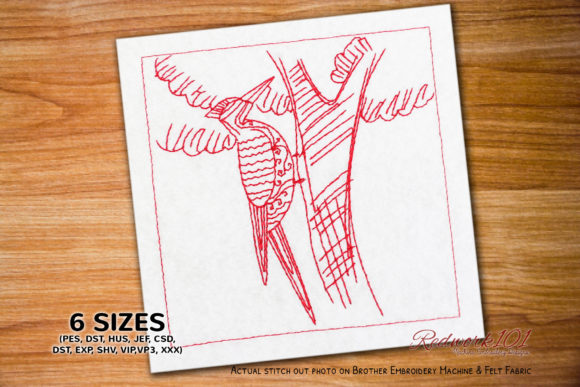
The mood of this design is playful yet precise. The woodpecker is captured in a dynamic pose, pecking at what appears to be a box or surface. The use of clean outlines rather than heavy fill stitch areas gives it a modern, minimalist aesthetic. This is crucial for contemporary handmade product lines where customers often prefer subtle branding over loud, dense graphics. The visual personality feels organic, fitting perfectly within the Birds category without feeling cliché. It does not rely on excessive shading, which means it will stitch out quickly and cleanly, reducing the risk of thread breaks or puckering on lighter fabrics.
Real-World Application: The Custom Tote Test
To truly evaluate an embroidery file, you have to imagine it on a physical item. I recently worked on a project for a local bookstore that wanted eco-friendly merchandise. We considered several nature-themed motifs, and the Woodpecker Pecking Lineart Design stood out as a strong contender for their canvas tote bag design. Here is why: the open space within the line art allows the natural texture of the canvas to show through. This creates a high-end, boutique feel rather than a mass-produced look.
When stitching this onto a cotton tote, the running stitch elements held up well against the weave of the fabric. The design did not pull or distort the material, which is a common issue with denser patterns. For an Etsy seller or small shop product creator, this reliability is gold. It means fewer ruined blanks and higher profit margins. The design also translates beautifully to a sweatshirt embroidery project. On a heather grey crewneck, the contrast of a dark thread against the soft fleece created a cozy, rustic vibe that appeals to buyers looking for comfortable, stylish custom apparel.
Navigating Fabric and Hoop Constraints
While the design is versatile, it is not without its constraints. As an experienced reviewer, I must point out where caution is needed. Because this is primarily line work, it relies heavily on thread colors and contrast. On dark fabrics, you must ensure your thread choice pops. A navy thread on a black shirt will vanish. I recommend testing with metallic or bright contrasting colors to maintain visibility.
Additionally, consider the hoop size. While the design is scalable, shrinking it too much for a small embroidered patch or a baby hat can cause the lines to merge. The stitch density needs to be appropriate for the scale. If you are creating baby embroidery items, such as onesies or bibs, ensure you use a fine needle and a high-quality cut-away stabilizer to prevent the stitches from irritating sensitive skin or distorting the stretchy knit fabric. Curved surfaces, like caps, also require careful hooping. The linear nature of the woodpecker’s beak and tail feathers must remain straight relative to the viewer, so proper alignment is critical to avoid a distorted look.
Commercial Viability and Brand Consistency
For commercial embroidery professionals and craft business owners, consistency is key. The Woodpecker Pecking Lineart Design offers a level of professionalism that builds customer trust. It looks intentional and polished. When used in a series of products—perhaps paired with other bird motifs or nature elements—it helps establish a cohesive brand identity. This is particularly useful for digital embroidery file sellers who want to offer bundles. The clean lines make it easy to create attractive printable mockup images for online listings, helping potential buyers visualize the finished product before purchasing.
The description notes that the "Woodpecker Pecking The Box Stitch shown in picture is optional" and that the outer box color can be skipped. This flexibility is a significant advantage. It allows the designer to adapt the asset for different applications. You might choose to omit the box entirely for a cleaner look on a tea towel or kitchen linen, focusing solely on the bird. Alternatively, keeping the box can frame the design nicely on a pillow cover or wall hanging. This adaptability increases the design’s value as a versatile design asset.
Practical Designer Notes for Best Results
Before you commit to a large production run or list this as a new item in your store, follow these practical steps:
- Test on Scrap Fabric: Always stitch a sample on the exact fabric type you plan to use. Check for puckering or thread breaks.
- Check Contrast: View your design in black and white. If the details disappear, adjust your thread choices or add a subtle underlay.
- Verify Licensing: Ensure you understand the license terms. Can you sell the personalized gift items? Can you resell the digital file? Clarify this with the provider before commercial use.
- Stabilizer Selection: Use a tear-away stabilizer for stable woven fabrics like towels or aprons. Use a cut-away for stretchy knits like t-shirts or holiday embroidery on sweatshirts.
- Inspect Small Details: Zoom in on the digitized file. Look for unnecessary jump stitches or overly complex nodes that might slow down your machine.
Final Verdict
The Woodpecker Pecking Lineart Design is a solid addition to any embroiderer’s library. It balances artistic charm with technical practicality. It is not just a pretty picture; it is a functional tool for creating marketable goods. Whether you are making a unique personalized gift for a friend or stocking your small shop product inventory with nature-inspired goods, this design performs reliably. It respects the medium of embroidery, acknowledging that thread has weight and fabric has memory. By understanding its strengths and limitations, you can leverage this design to create high-quality, professional-looking items that resonate with customers. Remember, the best designs are those that disappear into the quality of the final piece, leaving only the impression of craftsmanship. This woodpecker design achieves exactly that.