Horse Rider Medal: A Designer’s Review for Brand Merch
As an embroidery designer who has spent years digitizing files and consulting with small business owners, I approach every new machine embroidery design with a critical eye. It is not just about whether the image looks pretty on a screen; it is about how that design performs in the real world of commercial production. Recently, I evaluated the Horse Rider Medal, a piece categorized under Sports and Embroidery, to determine its viability for branded merchandise, staff uniforms, and boutique product lines. This review breaks down the aesthetic appeal, practical application, and technical considerations for anyone looking to integrate this motif into their business assets.
First Impressions: Visual Personality and Brand Fit
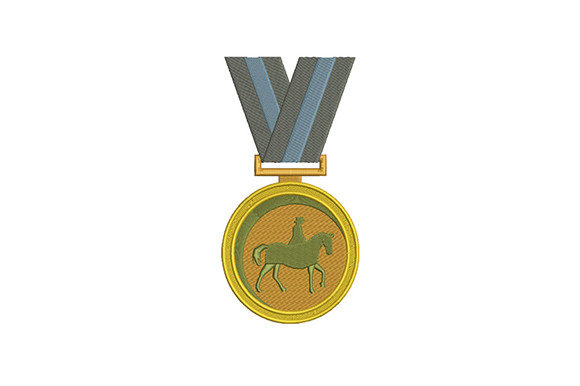
The initial impression of the Horse Rider Medal is one of celebratory elegance mixed with athletic pride. The description invites users to "win a beautiful medal and wear it everywhere," which suggests a design that is meant to be displayed prominently. Visually, this motif feels premium and decorative rather than purely utilitarian. For a small business owner, this distinction is crucial. While some logos need to be stark and minimal for high-visibility safety gear, this design leans toward a more friendly and accomplished aesthetic.
For brands in the equestrian sector, riding schools, or even lifestyle boutiques that value tradition and achievement, this design communicates a sense of heritage. It does not scream "modern tech startup"; instead, it whispers "classic craftsmanship." This makes it an excellent candidate for businesses that want to project warmth, reliability, and a touch of rustic charm. If your brand identity revolves around community, competition, or personal achievement, this embroidery file aligns well with those values.
Real-World Applications for Small Business Merch
When considering where to place the Horse Rider Medal, versatility is key. The description notes that it can be stitched onto shirts, t-shirts, dresses, or any other fabric worthy of a great award. From a commercial embroidery perspective, here is how I see this design performing across various product categories:
- Embroidered Patches: This is perhaps the strongest use case. Creating a standalone patch allows for maximum flexibility. You can sell these as add-ons at craft fairs, include them in online orders as freebies, or use them to upgrade plain garments. A patch format also solves the issue of hoop size limitations on finished goods.
- Staff Uniforms and Aprons: For a riding academy or a themed café, stitching this medal onto the chest pocket of a polo shirt or the corner of an apron adds a professional finish. It elevates a standard uniform into a branded asset that customers notice and trust.
- Cap Embroidery: Placing this design on the front panel of a baseball cap requires careful scaling. If the details are too fine, they may get lost in the curve of the cap. However, if simplified or scaled correctly, it serves as a subtle yet recognizable mark of quality.
- Tote Bag Design: Canvas tote bags are a staple for handmade brands. The sturdy texture of canvas holds embroidery well, allowing the thread colors to pop. This design could serve as a central focal point or a smaller accent near the handle, depending on the desired visual weight.
Technical Considerations and Production Notes
Before running a full production batch, any serious embroidery shop must address technical variables. The description mentions this is a "gorgeous sport embroidery," but it does not provide specific stitch counts or density maps. Therefore, I advise testing the digital embroidery file thoroughly before committing to client work.
Stitch Density and Fabric Texture
Sport-themed designs often utilize satin stitches to create shine and dimension. However, high stitch density can cause puckering on lightweight fabrics like thin cotton t-shirts. Always use an appropriate stabilizer—cut-away for stretchy fabrics and tear-away for stable wovens. Test the design on a scrap piece of the exact fabric you intend to use. If the Horse Rider Medal has dense filling, ensure your machine tension is calibrated to prevent thread breakage or fabric distortion.
Scale and Legibility
One common mistake in custom apparel is shrinking a detailed design too small. If you plan to use this as a sleeve detail or a small chest logo, verify that the intricate parts of the medal remain distinct. Tiny lettering or fine outlines can merge into a blob if reduced beyond their intended limit. Create a printable mockup at actual size to check legibility before hooping.
Color Contrast and Thread Selection
The visual impact of this design relies heavily on color choice. On dark uniforms, ensure you use bright or metallic threads to maintain visibility. On light fabrics, darker outlines will provide necessary definition. Always review the thread colors against your brand palette to ensure consistency. A mismatched thread color can make even the best design look amateurish.
Enhancing Brand Identity and Customer Trust
Incorporating a well-executed embroidery design like the Horse Rider Medal does more than decorate a product; it builds brand equity. Customers associate embroidered items with higher value and durability compared to printed alternatives. When a customer receives a tote bag or shirt with this medal stitched cleanly, it signals attention to detail.
For Etsy sellers and crafters, offering items with this design can differentiate your shop from competitors using generic print-on-demand services. It transforms a simple commodity into a handmade product with perceived artisanal value. Furthermore, using consistent design assets across your packaging, staff wear, and merchandise creates a cohesive visual identity. This consistency fosters recognition and trust, encouraging repeat business.
Final Verdict and Licensing Advice
The Horse Rider Medal is a strong contender for businesses looking to add a touch of prestige and sportiness to their offerings. Its potential shines in patches, aprons, and structured garments where the fabric can support the stitch work. However, success depends on proper execution.
Before finalizing your order or production run, confirm the commercial licensing terms of the embroidery file. Ensure you have the rights to use the design for physical goods sold for profit. Check the recommended hoop size to ensure it fits your equipment. By treating this design as a strategic business asset rather than just a decorative element, you can leverage it to enhance your brand’s professionalism and appeal. Whether for a local riding club or a boutique gift shop, this design offers a tangible way to celebrate achievement and style.