Watercolor Dragon: A Designer’s Review
When I first opened the file for Watercolor Dragon, my immediate reaction was one of cautious optimism. As an embroidery designer who has spent years translating digital art into thread, I know that "watercolor" is a tricky aesthetic to pull off in machine work. The soft, bleeding edges of paint do not always translate well to the rigid geometry of stitches. However, this design manages to capture that ethereal, dreamy quality without sacrificing structural integrity. It feels less like a rigid logo and more like a piece of wearable art, which is exactly what modern customers are looking for in the Fairy Tales category.
First Impressions and Visual Mood
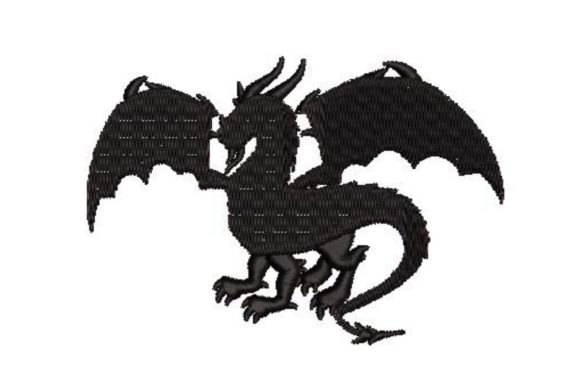
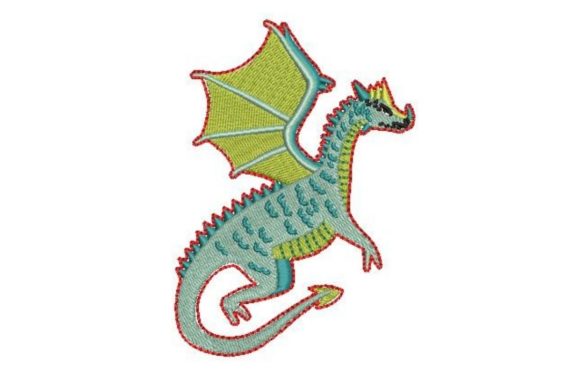
The layout of the dragon is fluid. Unlike traditional heraldic dragons that rely on sharp angles and heavy outlines, this design uses varying stitch density to create depth. The head and wings feature a mix of satin stitch borders and lighter fill stitch interiors, mimicking the transparency of watercolor washes. The mood is protective yet gentle, making it an ideal candidate for nursery decor or children’s apparel. It avoids the aggressive look of some fantasy designs, opting instead for a majestic, guardian-like presence.
For those of us running a craft business, visual appeal is half the battle. This design stands out because it doesn’t look like a generic clipart conversion. It has personality. When placed on a printable mockup, it immediately elevates the perceived value of the item. It suggests thoughtfulness and artistic intent, which are key drivers for buyer engagement on platforms like Etsy.
Real-World Application: The Custom Sweatshirt Test
To truly evaluate an embroidery project, you have to imagine it on fabric. I recently considered using this design for a custom order involving a high-quality cotton sweatshirt. The client wanted a personalized gift for her daughter’s birthday, with a theme centered around bravery and imagination. Watercolor Dragon fit the brief perfectly.
On a medium-weight fleece, the design held up remarkably well. The thread colors I chose—soft teals, muted purples, and slate grays—blended seamlessly. Because the design avoids excessive density in the center of the wings, the fabric did not pucker, a common issue with large machine embroidery design files. The result was a soft, textured image that looked intentional rather than stamped on. For an Etsy seller, this kind of reliability is crucial. You cannot afford to waste expensive blanks on designs that distort during stitching.
Versatility Across Product Lines
Beyond apparel, this design shows promise in several other areas. Here is how it performs across different design assets:
- Tote Bag Design: On canvas, the heavier threads pop beautifully. The dragon’s shape fills the space well without looking cramped, making it a strong small shop product.
- Baby Embroidery: For onesies or burp cloths, the softer color palette is ideal. However, you must ensure the stabilizer is cut-away to prevent stretching after repeated washes.
- Embroidered Patch: If you plan to make patches, this design works well with a satin border. The internal details are distinct enough to remain visible even at smaller sizes.
- Holiday Embroidery: While not explicitly seasonal, the magical theme fits well into winter gift guides or fantasy-themed holiday collections.
Technical Considerations and Constraints
While the aesthetic is strong, practical application requires attention to detail. Not every fabric or hoop size will yield the same results. As a reviewer, I need to point out where caution is necessary.
First, consider the hoop size. This design likely requires a medium to large hoop to maintain its proportions. Attempting to shrink it down for a cap or a small pocket logo may cause the finer details to merge. The running stitch elements that define the watercolor edges might become indistinguishable if scaled down too aggressively. Always check the minimum recommended size in the digital embroidery file documentation before committing to a small item.
Second, fabric texture matters. This design relies on subtle color transitions. On highly textured fabrics like terry cloth or rough linen, those nuances can get lost. It performs best on smooth or tightly woven materials such as cotton twill, polyester blends, or fine knits. If you are working with dark fabric, you may need to adjust your thread choices significantly or use an underlay strategy to ensure the colors remain vibrant.
Third, be mindful of stretchy fabric. If you are applying this to a jersey t-shirt, proper stabilization is non-negotiable. The dragon’s wingspan covers a decent amount of surface area, and without adequate support, the garment will warp around the stitching. I recommend a lightweight cut-away stabilizer for any stretchy garments to maintain the finished product's shape over time.
Enhancing Brand Consistency and Value
For commercial embroidery professionals, consistency is key. Using a design like Watercolor Dragon can help establish a brand identity that is whimsical yet professional. It signals to customers that you care about artistic quality, not just speed. When buyers see a well-executed, complex design, their trust in your craftsmanship increases. This translates directly to higher price points and repeat business.
Moreover, the Fairy Tales theme is evergreen. Parents are always looking for unique ways to decorate their children’s spaces. By offering this design on items like pillow covers or wall hangings, you tap into a market that values storytelling and comfort. The dragon acts as a guardian, a narrative element that adds emotional weight to the handmade product.
Practical Designer Notes
Before you list this as a new item in your shop, follow these steps to ensure quality control:
- Test on Scrap Fabric: Never stitch a new design directly on a customer’s garment. Run a test on similar material to check for puckering or thread breaks.
- Check Thread Contrast: View your test stitch-out in black and white. If the details disappear, your color choices lack sufficient contrast. Adjust accordingly.
- Review Stitch Density: Ensure the density is appropriate for your specific machine and needle type. High-density areas may require a larger needle to prevent thread shredding.
- Confirm Licensing: Since this is a digital embroidery file, verify the license terms. Can you sell the finished product? Are there restrictions on mass production? Always respect the creator’s rights.
- Inspect Small Details: Zoom in on the digital preview. Look for tiny jumps or potential snag points. Trim jump threads carefully after stitching to maintain a clean look.
In conclusion, Watercolor Dragon is a versatile and visually striking addition to any embroidery library. It bridges the gap between artistic illustration and technical precision. For the small business owner or hobbyist willing to pay attention to fabric choice and stabilization, it offers a high reward in terms of aesthetic impact and customer satisfaction. It is not just a design; it is a tool for creating memorable, meaningful gifts that stand out in a crowded marketplace.