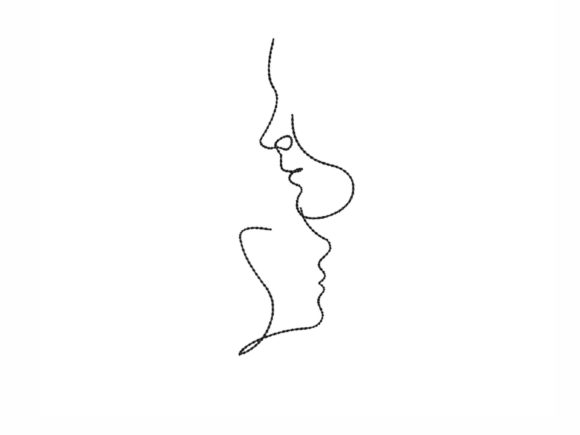
Lovers Embroidery Design: A Professional Review for Small Business Merch
As an embroidery designer who has spent years digitizing and testing files for commercial use, I approach every new machine embroidery design with a critical eye. It is not just about whether a pattern looks pretty on a screen; it is about how it performs under the needle, how it holds up after washing, and most importantly, how it serves the brand identity of the small business using it. Today, I am reviewing Lovers, a design categorized under Family and Embroidery that promises to be simple, meaningful, and romantic. For boutique owners, Etsy sellers, and apparel decorators, understanding the practical application of this file is crucial before adding it to your product line.
First Impressions: Visual Personality and Brand Fit
The title Lovers immediately sets a tone. Based on the description, which highlights a "lovely romantic accent," this design leans toward the elegant, handmade, and heartfelt side of the spectrum. It does not scream bold or aggressive; instead, it feels friendly and classic. For businesses in the wedding industry, florists, bakeries, or local boutiques that pride themselves on a personal touch, this aesthetic is invaluable. It suggests a level of care and intimacy that mass-produced prints often lack.
However, simplicity can be a double-edged sword. In the world of commercial embroidery, a simple design must rely on perfect execution. There are no complex fills to hide poor tension or uneven stitching. The clean lines of Lovers mean that your machine maintenance and thread quality must be top-notch. If you are aiming for a premium look for high-end customer gifts or branded merchandise, this design offers a sophisticated canvas, provided your technical setup is flawless.
Real-World Applications for Small Business Merch
When evaluating a digital embroidery file for business use, versatility is key. The description suggests stitching Lovers onto aprons, sweatshirts, t-shirts, jackets, bags, and gifts. Let us break down how this works in specific scenarios for small business owners.
- Apron Embroidery: For cafés, florists, or craft studios, an apron is a walking billboard. Placing Lovers on the chest pocket or upper back adds a subtle branding element that feels personal rather than corporate. It reinforces the idea of handmade care.
- Custom Apparel: On sweatshirts and jackets, this design can serve as a left-chest logo or a sleeve detail. Because it is described as simple, it avoids the bulkiness that can make heavy garments uncomfortable. It works well for staff uniforms in boutique hotels or bridal shops where a soft, welcoming image is essential.
- Tote Bag Design: Canvas totes are a staple for eco-friendly brands. Embroidering Lovers on a tote bag elevates the perceived value of the item. Unlike printed ink, embroidery adds texture and durability, making the bag a long-lasting asset for your customers.
- Embroidered Patches: One of the most profitable avenues for small businesses is creating iron-on or sew-on patches. If Lovers has clean edges and appropriate stitch density, it can be cut into a patch shape. This allows customers to buy the design separately and apply it to their own jeans, hats, or backpacks, expanding your revenue stream without managing inventory of full garments.
Technical Considerations and Production Challenges
Before you load this embroidery file into your machine for a large production run, there are several technical factors to consider. The description mentions it is suitable for various items, but each substrate behaves differently.
Fabric Texture and Stabilizer: Simple designs show every imperfection. If you are stitching on textured fabric like terry cloth towels or rough canvas, ensure you use a sufficient cut-away stabilizer to prevent puckering. For stretchy fabrics like t-shirts or sweatshirts, a poly-mesh stabilizer is often necessary to keep the design crisp. Always test on a scrap piece of the exact fabric you intend to use for the finished product.
Stitch Density and Thread Colors: While the description does not provide exact stitch counts, a "simple" design usually implies lower density. This is good for speed and reducing fabric distortion, but you must check if the coverage is adequate. If the design relies on thin lines, ensure they are not too fine to be caught by the needle repeatedly, which can lead to thread breaks. Additionally, consider thread color contrast. A romantic design might look best in soft pastels or classic whites, but if you are stitching on dark uniforms, you will need high-visibility threads. Test your color combinations physically, not just on a screen.
Cap Embroidery and Curved Surfaces: Stitching on caps requires special attention to hooping and stabilization. If Lovers includes any lettering or intricate curves, verify that the design fits within the standard cap frame area without distorting. Curved surfaces can pull designs out of shape, so a design with balanced density is preferable.
Enhancing Brand Identity and Customer Trust
Why choose Lovers over a generic clipart image? The answer lies in brand identity. Using a high-quality machine embroidery design signals professionalism. It tells your customers that you invest in quality tools and care about the details. For handmade brands, this tactile element builds trust. A customer holding a jacket with a neatly embroidered motif perceives higher value than one with a heat-transfer vinyl print that may peel over time.
Furthermore, consistency in your design assets is vital. If Lovers fits your brand’s visual language—whether that is rustic, modern, or classic—it helps create a cohesive look across all your products. From your staff uniforms to your packaging accents, this consistency aids in brand recognition. When customers see that same lovely romantic accent on your website, your social media printable mockups, and the physical product, it reinforces your brand story.
Practical Designer Notes for Implementation
To ensure success with Lovers, follow these steps before offering it as part of your small business merch:
- Check Licensing: Confirm the commercial licensing terms of the digital embroidery file. Ensure you have the right to sell finished products featuring this design.
- Verify Hoop Size: Check the available sizes included in the file. Does it fit your smallest hoop for patches and your largest for jacket backs? If not, you may need to resize carefully, keeping in mind that resizing can affect stitch density.
- Create a Printable Mockup: Before stitching, place the design on a digital mockup of your intended product. This helps visualize scale and placement for client approval or marketing materials.
- Test Wash Durability: Stitch a sample, wash it five times, and inspect it. Does the thread fray? Does the fabric pucker? This step is non-negotiable for professional results.
- Evaluate Small Sizes: If you plan to use this on small tags or tiny patches, zoom in on the digitized file. Are the details too small to stitch cleanly? Simplify if necessary.
In conclusion, Lovers presents a strong opportunity for businesses looking to add a touch of romance and professionalism to their offerings. By paying attention to technical details like stabilizer choice, thread contrast, and fabric compatibility, you can transform this simple design into a powerful tool for brand building. Whether used for apron embroidery, custom apparel, or unique patches, it has the potential to become a signature element of your creative studio’s identity.