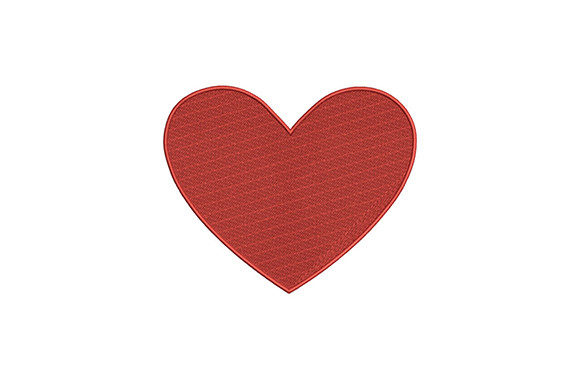
Heart Romantic Love: A Designer’s Real-World Review
As an embroidery designer who has spent countless hours staring at digitized paths and testing stitch-outs on scrap fabric, I approach every new machine embroidery design with a mix of curiosity and skepticism. We have all seen the generic, clip-art style hearts that look charming on a screen but turn into a tangled mess of thread breaks and puckering once they hit the hoop. That is why evaluating Heart Romantic Love required more than just a glance at the preview image. I needed to understand how it behaves in the real world, specifically for those of us running small shops or creating personalized gifts where quality cannot be compromised.
First Impressions and Visual Personality
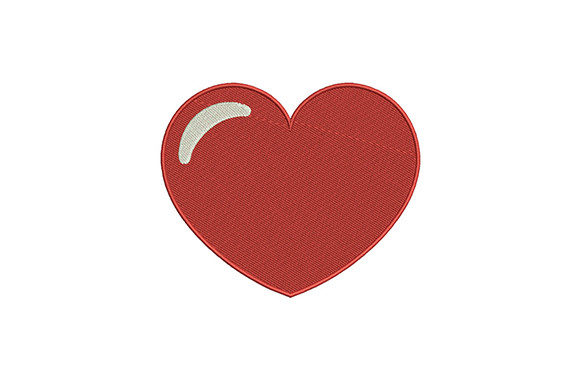
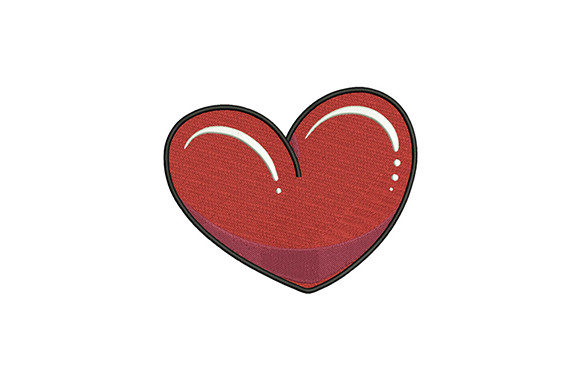
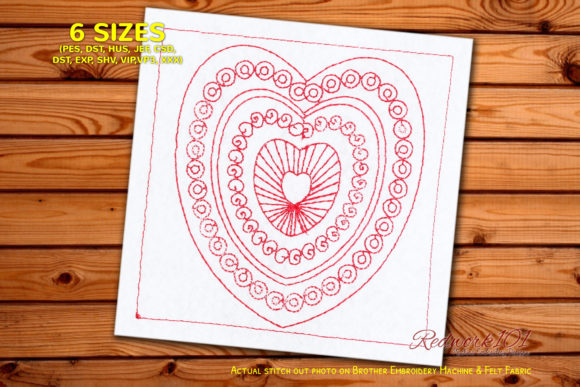
The immediate mood created by Heart Romantic Love is one of softness and intentionality. It does not scream for attention with aggressive density or overly complex shading. Instead, it offers a clean, romantic aesthetic that fits seamlessly into the Valentine S Day category without feeling cliché. For a designer, this balance is crucial. The layout suggests a thoughtful approach to negative space, which is often where amateur designs fail. When I visualized this embroidery file on a product, I did not see a stiff, plastic-looking graphic. I saw a design that could breathe, allowing the texture of the fabric to complement the stitches rather than fighting against it.
This visual personality makes it versatile. It is not limited to reds and pinks. While it naturally belongs to holiday-themed projects, its structural simplicity allows it to work as a year-round symbol of affection. Whether used for a wedding gift, a nursery decor piece, or a boutique branding element, the design maintains a level of professionalism that builds customer trust. It feels handmade, not mass-produced, which is exactly what buyers on platforms like Etsy are looking for.
Real-World Application: The Tote Bag Test
To truly gauge the utility of Heart Romantic Love, I imagined a specific client project: a custom embroidered tote bag for a local boutique selling artisanal goods. The client wanted something subtle yet recognizable, a tote bag design that would appeal to customers looking for a personalized gift that feels special. Placing this heart design on a natural canvas tote presented an interesting challenge regarding stitch density and fabric texture.
Canvas is sturdy, but it can be unforgiving if the digitizing is too dense. If the fill stitch areas are packed too tightly, the fabric will warp, causing the bag to lose its shape. In my assessment, Heart Romantic Love appears to have a moderate density that should perform well here, provided the right stabilizer is used. I would recommend a cut-away stabilizer for this application to ensure the design remains stable after repeated washing and heavy use. The result would be a crisp, clear image that enhances the perceived value of the handmade product without making the bag stiff or uncomfortable to carry.
Apparel and Stretchy Fabrics
Moving from accessories to apparel, let us consider sweatshirt embroidery. This is a popular category for craft business owners, especially during the colder months leading up to February. Applying this design to a fleece or cotton-blend sweatshirt requires careful attention to thread colors and contrast. On a dark navy or charcoal sweatshirt, using a bright red or soft pink thread would make the heart pop, creating a striking visual appeal. However, on stretchy fabrics, the risk of puckering is higher. I would advise testing the design on a scrap piece of the exact same fabric first. If the design includes any satin stitch borders, ensuring they are not too wide is key to preventing edge curling. For a custom apparel line, consistency is vital, so verifying that the design scales well across different chest sizes is a necessary step before listing it as a small shop product.
Navigating Technical Challenges
No design is perfect for every scenario, and honest review means identifying where caution is needed. Heart Romantic Love should be used carefully on very thin or delicate fabrics, such as silk or lightweight rayon. The weight of the threads, even with proper stabilization, might cause dragging or visible holes if the needle size is not appropriate. Similarly, when working with textured fabrics like terry cloth towels or thick wool blankets, the finer details of the design might get lost. In these cases, increasing the stitch size slightly or choosing a bolder thread color can help maintain stitching clarity.
Another area of concern is curved surfaces, such as caps or hats. Embroidering on a curved cap requires precise hooping and often a specialized frame. If the design has any intricate corners or tight turns, they may distort on the curve. I would recommend placing the design on the front panel where the surface is flattest, avoiding the side seams. For embroidered patch creation, however, this design shines. Patches allow for dense stitching on a stable backing, meaning you can maximize the detail without worrying about fabric distortion. This makes it an excellent candidate for design assets intended for iron-on or sew-on applications.
Commercial Viability and Brand Consistency
For Etsy sellers and digital product creators, the commercial viability of a design hinges on its versatility and ease of use. Heart Romantic Love offers a strong foundation for commercial embroidery projects because it is recognizable and emotionally resonant. It fits well into the narrative of love and care, which translates directly to buyer engagement. When customers see a well-executed heart on a baby embroidery item, such as a onesie or blanket, they associate it with warmth and safety. This emotional connection drives sales.
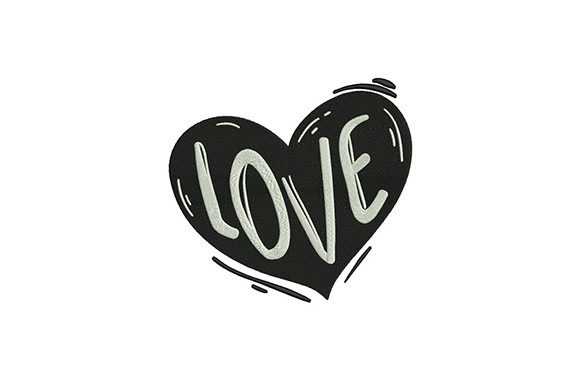
However, before selling finished items or digital products, it is imperative to check the licensing terms. Not all digital embroidery file providers offer the same commercial rights. Some may restrict the number of physical items you can sell, while others may prohibit the resale of the file itself. Always confirm these details to protect your craft business from legal issues. Additionally, creating printable mockup images for your online listings should showcase the design on various backgrounds. Testing it in black and white mockups can reveal if the contrast holds up without color, which is useful for minimalist branding.
Practical Designer Notes for Best Results
To ensure the best outcome with Heart Romantic Love, follow these practical steps:
- Test on Scrap Fabric: Always run a test stitch-out on the same type of fabric you intend to use for the final product. This reveals any tension issues or density problems.
- Check Thread Contrast: Use high-contrast thread colors for the first test to clearly see the stitch path and identify any overlaps or gaps.
- Review Stitch Density: If the design feels too stiff, consider reducing the density in your editing software if you have the skills, or choose a lighter weight fabric.
- Confirm Hoop Size: Ensure the design fits comfortably within your hoop, leaving enough margin for secure hooping without hitting the edges.
- Use Proper Stabilizer: Match the stabilizer to the fabric. Cut-away for stretchy knits, tear-away for stable wovens, and wash-away for delicate or sheer fabrics.
- Inspect Small Details: Zoom in on the digitized file to check for any tiny, unnecessary stitches that could cause thread breaks.
In conclusion, Heart Romantic Love is a solid addition to any designer’s library. It balances aesthetic appeal with practical usability, making it suitable for a wide range of embroidery project types. By understanding its strengths and limitations, you can create high-quality finished product items that delight customers and enhance your brand’s reputation for craftsmanship.