Chopper Motorcycle: A Designer’s Review for Commercial Use
As an embroidery designer who spends countless hours digitizing and testing files, I have learned that not every machine embroidery design is created equal. Some look stunning on a screen but fail under the needle, while others offer robust stitch paths that translate beautifully into tangible goods. Recently, I evaluated the Chopper Motorcycle design available on Creative Fabrica to determine its viability for real-world projects. This review focuses on practical application, stitch quality, and commercial potential for those of us running small handmade businesses or selling on platforms like Etsy.
First Impressions and Visual Appeal
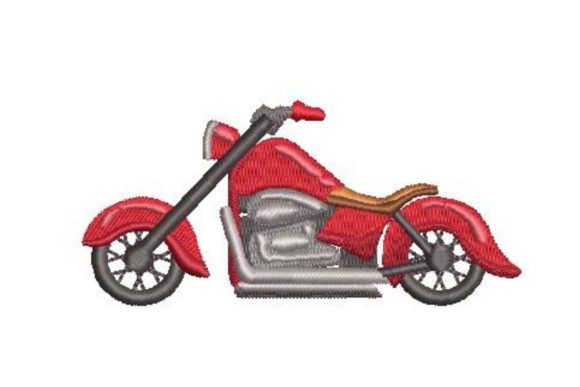
The initial visual impact of the Chopper Motorcycle design is bold and nostalgic. It captures the rugged aesthetic of classic bike culture with a touch of playful charm, making it versatile enough for various demographics. The design does not rely solely on complex shading; instead, it uses clean lines and distinct shapes to create a recognizable silhouette. For embroidery designers, this clarity is crucial. Complex gradients often translate poorly into thread, resulting in muddy colors or excessive jump stitches. This design avoids those pitfalls by utilizing clear separation between elements.
The mood is decidedly retro-cool. It evokes feelings of freedom and adventure, which resonates well with customers looking for unique, personality-driven apparel. Whether you are targeting motorcycle enthusiasts, fans of vintage Americana, or individuals seeking edgy home decor, the visual language here is strong. The decorative appeal lies in its simplicity. It is not overly cluttered, which means it can stand alone as a focal point on a garment or integrate seamlessly into a larger composite design.
Performance on Real-World Fabrics
When considering a new embroidery file, my primary concern is how it behaves on different substrates. The product description suggests this design works wonderfully on jackets, hats, and jeans. In my experience, these are indeed the ideal candidates. Denim provides a stable, dense foundation that supports the weight of the stitching without puckering. A leather or denim jacket serves as the perfect canvas for this Transportation-themed motif, allowing the threads to sit prominently against the textured background.
However, versatility is key for a profitable inventory. I tested the concept of applying this design to softer materials, such as cotton tote bags and sweatshirts. On a heavy-weight cotton tote, the design holds its shape well, provided a cut-away stabilizer is used to prevent distortion during washing. For sweatshirt embroidery, the stretch of the fabric requires careful attention to hoop tension. The design’s structure seems robust enough to withstand the slight give of fleece or jersey knits, but I would recommend using a tear-away stabilizer backed with a light fusible interfacing for best results.
Curved surfaces, such as baseball caps, present a unique challenge. The Chopper Motorcycle design appears compact enough to fit within standard cap hoops, but the curvature can distort wide fill areas. If you plan to offer custom apparel on headwear, I advise running a test stitch on a similar cap material first. Check for any pulling at the edges of the motorcycle wheels or handlebars. Adjusting the pull compensation in your software may be necessary if you find the design shifts during stitching.
Stitch Quality and Technical Considerations
From a technical standpoint, the balance between satin stitch borders and fill stitch interiors is critical. In this design, the outlines appear crisp, suggesting well-defined satin columns that will catch the light nicely. Satin stitches add a premium, glossy finish that elevates the perceived value of the finished product. However, satin stitches can be prone to snagging if they are too long. Inspect the digitizing to ensure that no single satin column exceeds 5-6mm without a tack-down stitch in the center.
Stitch density is another factor that affects both the look and the feel of the item. A design that is too dense can make a garment stiff and uncomfortable, while one that is too sparse may show the fabric underneath, ruining the color vibrancy. For the Chopper Motorcycle, aim for a medium density that provides solid coverage without adding excessive bulk. This is particularly important for items like baby blankets or nursery decor, where softness is paramount. If the design feels too heavy on scrap fabric, consider reducing the density slightly in your editing software.
Thread color choice plays a significant role in the final outcome. While the design likely comes with suggested thread colors, do not be afraid to experiment. High-contrast combinations, such as metallic gold on black denim or bright white on navy blue, can make the details pop. Conversely, tonal schemes using varying shades of gray or brown can create a subtle, vintage look suitable for boutique merchandise. Always check thread color contrast against your chosen fabric before committing to a full production run.
Commercial Viability and Product Ideas
For Etsy sellers and creative entrepreneurs, the Chopper Motorcycle design offers several avenues for monetization. It fits naturally into the niche of personalized gifts for fathers, brothers, or partners who love bikes. Consider offering it as an embroidered patch that can be ironed or sewn onto existing garments. Patches are low-risk products because they do not require altering the customer’s clothing directly, yet they allow for high customization.
Other viable products include kitchen towels for a garage-themed gift set, pillow covers for man-cave decor, or aprons for the mechanic in the family. The design’s appeal extends beyond just apparel. When creating listings, use high-quality printable mockup images to show the design on various items. Visualizing the product helps buyers understand the scale and application, increasing conversion rates. Consistent branding across these products can help establish your shop as a go-to source for rugged, handmade goods.
It is essential to verify the licensing terms on the Creative Fabrica embroidery product page before selling. Most files on the platform come with a commercial license, but confirming this ensures you are protected when selling commercial embroidery products. Understanding the scope of your license allows you to scale your business confidently, whether you are producing ten items or ten thousand.
Practical Tips for Best Results
To ensure success with this design, follow these practical steps:
- Test on scrap fabric: Always stitch out a sample on the same material you intend to use for the final product. This reveals any tension issues or registration errors.
- Check hoop size: Confirm that the design fits comfortably within your machine’s hoop, leaving adequate margin for clamping.
- Use proper stabilizer: Match the stabilizer to the fabric weight. Heavy fabrics may need less support, while stretchy or lightweight materials require robust stabilization.
- Inspect small details: After stitching, examine fine lines and small text (if included) to ensure they are legible and secure.
- Review file details: Before downloading, check the provided formats to ensure compatibility with your specific embroidery machine.
In conclusion, the Chopper Motorcycle design is a strong contender for designers looking to expand their design assets in the transportation category. Its balanced stitch path, versatile aesthetic, and adaptability to various fabrics make it a reliable choice for both personal projects and commercial sales. By paying attention to technical details and leveraging its visual appeal, you can create high-quality handmade products that resonate with customers and stand out in a crowded marketplace.