Brown Mushroom Plant: A Designer’s Review
When I first pulled up the Brown Mushroom Plant embroidery design on my screen, I wasn’t looking for complexity. In the current market of handmade goods, there is a distinct shift away from overly dense, thread-heavy motifs toward clean, whimsical illustrations that breathe. This design fits squarely into that trend. It presents a simple, cute aesthetic that feels immediately approachable, yet it carries enough visual weight to stand out on a finished product. As a designer who has spent years troubleshooting stitch-outs and managing client expectations, I evaluate every new machine embroidery design through the lens of practical application. Does it stitch cleanly? Does it sell? And does it hold up after washing?
First Impressions and Visual Mood
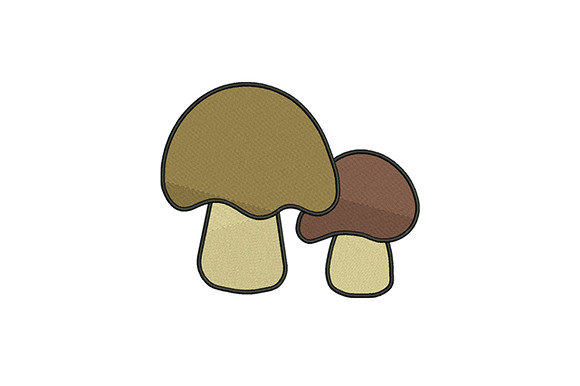
The immediate mood created by this design is one of cozy nostalgia. The mushroom theme taps into the popular cottagecore and woodland aesthetics that have dominated social media and boutique trends for several seasons. What stands out is the balance between simplicity and charm. The layout avoids unnecessary clutter, which is crucial for maintaining stitching clarity. When you are working with a fill stitch area on a small motif, too much detail can turn into a muddy mess on textured fabrics. Here, the shapes are defined clearly, suggesting that the digitizer prioritized readability over excessive intricacy.
This visual personality makes it versatile. It doesn’t scream "children only," nor does it feel too sterile for adult apparel. It sits comfortably in that sweet spot where a design can appeal to a foodie looking for kitchen decor just as easily as a parent looking for nursery accents. The brown tones implied by the title suggest earthiness, which pairs beautifully with natural fiber fabrics like linen, cotton canvas, and hemp.
Real-World Application: The Tote Bag Test
To truly understand how this embroidery file performs, I mentally placed it on a standard 15x15 inch canvas tote bag. This is a staple item for any Etsy seller or craft business owner. On a tote, the Brown Mushroom Plant would likely serve as a central focal point. Because the design is described as simple, it should not require an excessive amount of stabilizer pull-away, which keeps production costs low and turnaround time fast.
Imagine stitching this onto a natural-colored canvas. The contrast would be sharp, making the mushroom pop without needing metallic or neon threads. For a personalized gift, you could easily add a monogram below the mushroom using a complementary font. The simplicity of the mushroom allows the text to shine without competing for attention. This is a key consideration for commercial embroidery projects where branding or personalization is the primary value driver.
Apparel and Wearables
Moving beyond accessories, let’s consider custom apparel. A sweatshirt is perhaps the ideal candidate for this design. The thick fabric of a crewneck provides a stable base for the stitches, minimizing the risk of puckering. If you are creating a sweatshirt embroidery line for a small shop, this design offers a quick stitch-out time, allowing you to produce inventory efficiently. However, caution is needed when applying it to thinner materials. On a standard t-shirt, the weight of the stitches might cause distortion if the wrong stabilizer is used. A cut-away stabilizer would be non-negotiable here to ensure the garment retains its shape after multiple washes.
For baby embroidery, such as onesies or bibs, the cute factor is undeniable. Parents love woodland themes. However, you must check the stitch density. If the design uses heavy satin stitches on the edges, ensure they are not too raised, as rough textures can irritate sensitive skin. Testing on scrap fabric is essential before committing to a final baby item.
Technical Considerations for Designers
While the aesthetic is appealing, the technical execution determines whether this design becomes a bestseller or a return headache. Here are critical factors to evaluate before running this on your machine:
- Fabric Texture: This design likely relies on clear outlines. On highly textured fabrics like terry cloth or heavy wool, fine details might get lost. It performs best on smooth to medium-texture fabrics like quilting cotton, poplin, or twill.
- Thread Color Contrast: Since the design is titled "Brown Mushroom," consider how your thread colors interact. Using a variegated brown thread could add depth, but solid colors often provide a cleaner, more modern look. Always test your specific thread brand, as tension varies.
- Hoop Size Compatibility: Although exact dimensions are not provided in the description, the term "simple" suggests it may fit well in smaller hoops, such as 4x4 or 5x7. This makes it ideal for embroidered patches or pocket logos on caps. Verify the actual size in your software to ensure it fits your intended hoop without resizing, which can distort stitch density.
- Stabilizer Choice: For woven fabrics, a medium-weight tear-away is usually sufficient. For knits or stretchy fabrics, use a cut-away stabilizer to prevent the design from shifting or distorting during wear.
Commercial Viability and Branding
For small business owners and digital product sellers, the value of this design lies in its versatility. It can be marketed across multiple niches: kitchen decor, autumn-themed gifts, nature lovers, and even fungal foraging enthusiasts. This broad appeal increases the potential customer base. When creating printable mockups for your online store, show the design on various items—a tea towel, a tote, and a pillow cover—to demonstrate its adaptability.
However, professionalism is key. Ensure that the finished product looks crisp. Loose threads or poor tension can undermine the perceived value of a handmade item. The Brown Mushroom Plant should look intentional and polished. If you are selling the digital embroidery file itself, provide clear instructions on recommended settings and fabric types to help your customers achieve the best results. This builds trust and reduces support queries.
Final Verdict
The Brown Mushroom Plant is a strong contender for designers looking to expand their library with trendy, low-risk motifs. It balances cuteness with simplicity, making it suitable for a wide range of embroidery projects. Whether you are stitching a holiday gift for a friend or producing inventory for your boutique, this design offers a reliable foundation. Just remember to respect the material constraints. Test on scraps, choose the right stabilizer, and let the simple charm of the mushroom do the talking. In a world of noisy designs, sometimes the quietest ones sell the best.